Preservation Breast Augmentation New Jersey

Breast augmentation begins with a simple goal: fuller breasts. The harder question is how to get there. Implant size, tissue support, chest width, skin elasticity, incision placement, and the way the breasts will settle over time all need to be considered. Preservation breast augmentation brings those details to the front of the conversation. It is breast augmentation surgery with a sharper focus on natural breast tissue, implant fit, and long-term breast shape.
Many women in New Jersey don’t want the largest implant the body can tolerate. They want proportionate breasts, a natural feel, and a result that suits their natural body. That’s where a preservation-minded approach can be useful. The operation still uses breast implants, but the difference is in how the surgery is planned, how the implant is selected, and how closely the procedure follows the limits of the breast tissue and chest wall.
Preservation breast augmentation is a form of breast augmentation that enhances breast size and shape while placing greater emphasis on protecting natural breast tissue, respecting the chest wall and chest muscles, and choosing implant options that support a stable, natural-looking result.
This is still breast surgery. It still involves implants, an incision, a recovery period, and proper healing. What changes is the level of restraint in the plan. Implant size is chosen with more care. Implant placement is matched to the patient’s anatomy. The breast tissue is treated with more respect. The goal is not simply a larger breast. It is a better result.


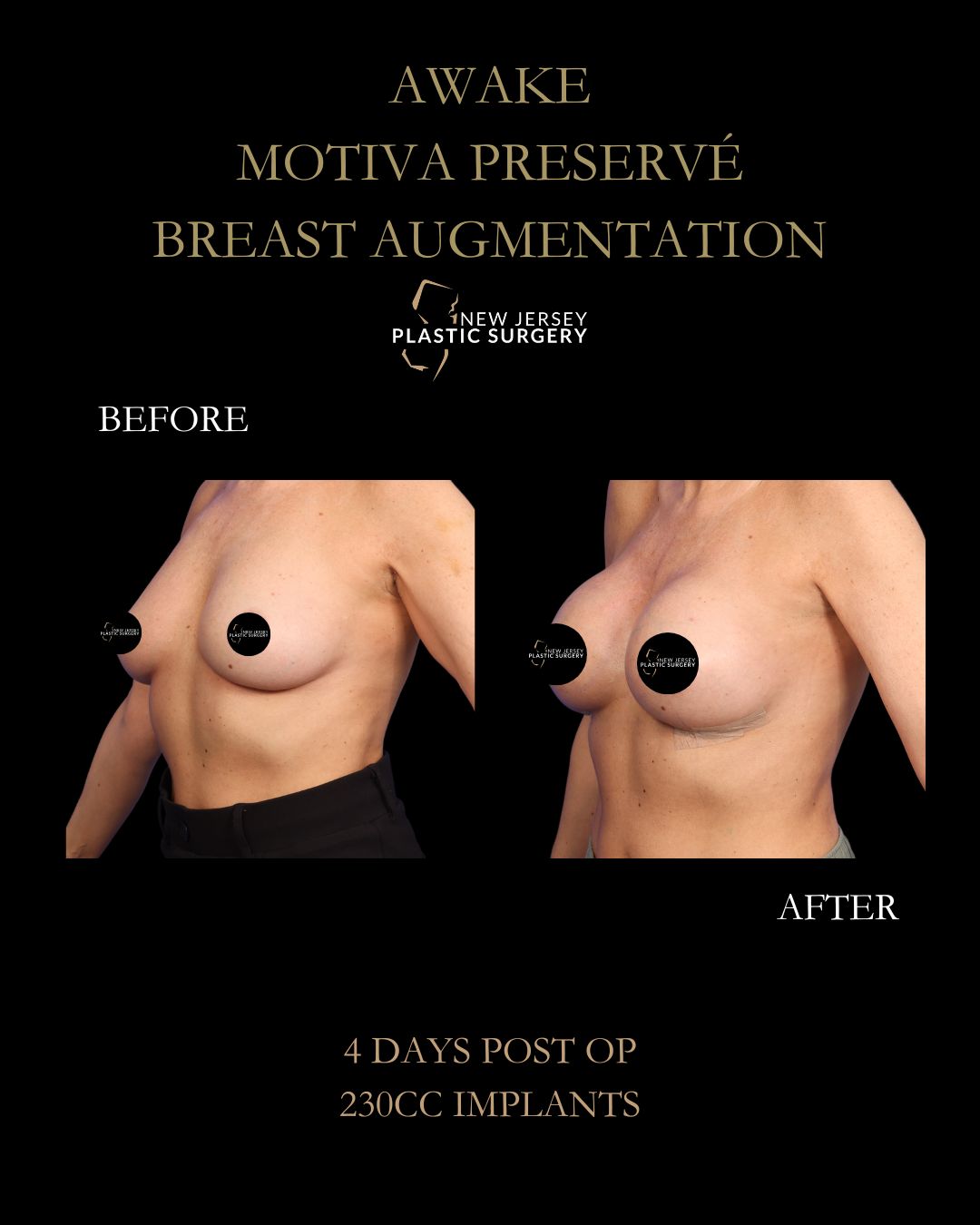
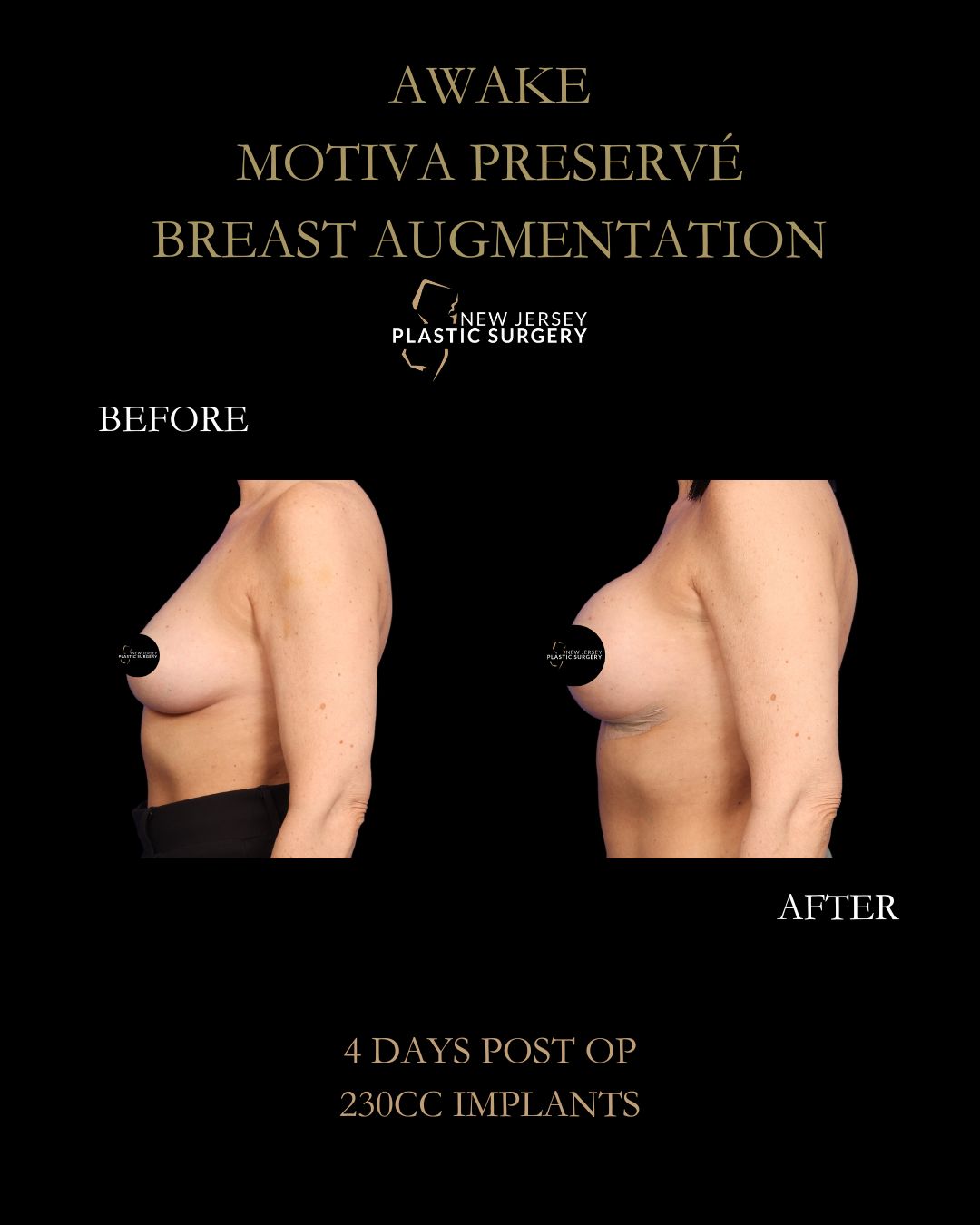
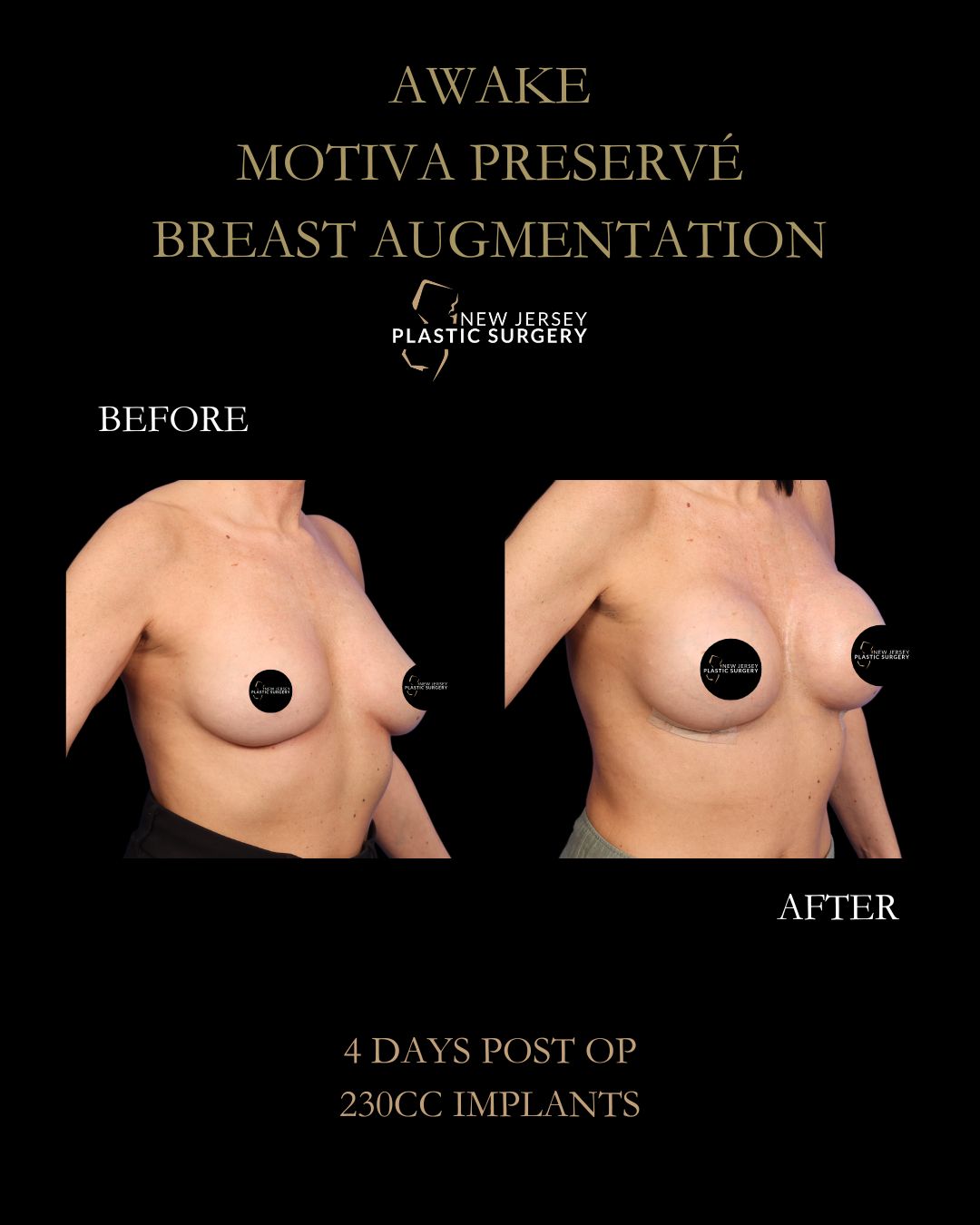
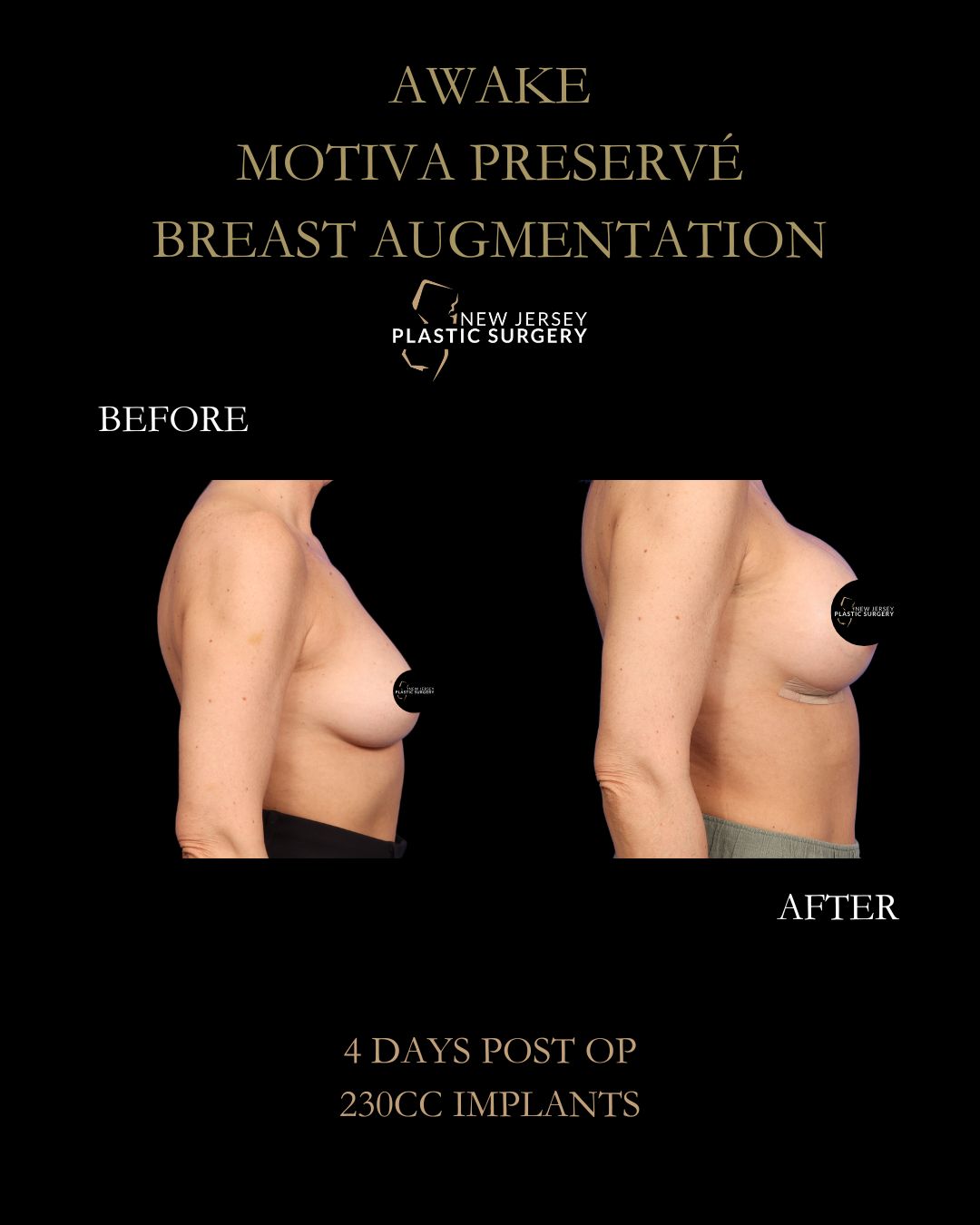

Preservation breast augmentation in New Jersey is often sought by women who want fuller breasts, though want the procedure handled with more precision.
It can address:

What are the benefits of Preservation Breast Augmentation?
The benefit is not limited to cup size. A preservation-focused plan can improve the quality of the result by matching the surgery more closely to the patient’s anatomy.
Benefits can include:
A good candidate is someone who wants breast implants, though wants the surgery planned with careful attention to tissue support, proportion, and realistic expectations.
Preservation breast augmentation starts with precise measurements. Chest width, breast base width, tissue thickness, skin elasticity, asymmetry, and the relationship between the breasts and the chest wall all influence the surgical plan. This is where advanced techniques matter. A breast that carries an implant suited to its dimensions usually heals and settles better than a breast that is asked to support too much.
The procedure usually follows these steps:
A preservation approach does not change the fact that this is surgery. It changes how disciplined the surgery is. The implant has to fit the breast. The breast should not be forced to adapt to an implant that is too wide, too projected, or too heavy for the chest area.
Implant selection shapes the result as much as technique. Many patients compare saline and silicone implants first. Saline and silicone implants each have advantages. Saline implants are filled after placement and can work well in selected cases. Silicone breast implants are often chosen for their softness and more natural feel. Silicone gel breast implants are especially popular among women who want a natural breast look with a smoother contour.
Within the silicone category, there are several implant options. Some women want more upper fullness and a round shape. Others prefer a softer slope that feels closer to a teardrop shape. Some want a classic round silicone implant. Others are interested in newer devices on the implant market, including Motiva implants.
Motiva implants have drawn attention for their shell technology, surface design, and how certain models are described. Motiva SmoothSilk Ergonomix and Motiva SmoothSilk Ergonomix2 are examples of silicone gel breast implants promoted around adaptive shape and a more natural feel. These devices are often discussed by patients interested in advanced implant options and patented technologies. Questions about FDA-approved status, FDA approval, implant safety, capsular contracture, and long-term outcomes all belong in the consultation.
For many women, the right implant is not the most talked-about implant. It is the one that fits the chest wall, breast tissue, own skin, and aesthetic goals with the least compromise.
The Preservé procedure is a branded technique associated with Motiva implants. It is described as a less invasive technique that aims to preserve natural breast tissue, chest muscles, and nipple sensation more than traditional breast augmentation. It is also tied to small incision access and, in some discussions, minimal anesthesia.
That language is specific to the branded procedure. Preservation breast augmentation can also describe a broader surgical philosophy that places more emphasis on tissue handling, precise measurements, and enhanced implant stability. The important question isn’t whether a term sounds modern, but whether the surgical plan makes sense for your anatomy.
Most patients can expect swelling, tightness, soreness, and temporary firmness early on. The breasts often sit high at first. That is normal. The chest area needs time to relax, and the implants need time to settle.
Most patients feel comfortable going out after a few days, especially in loose clothing. The breasts are still healing during this stage, and the appearance is still early.
Walking starts early. More strenuous activity waits. Most patients need several weeks before returning to heavy lifting, upper-body exercise, and forceful chest movement. Protecting the pectoral muscles and allowing the tissue to settle helps ensure proper healing.
You will see a bigger breast size right away. That does not mean you are seeing the finished result. Early swelling can make the breasts look higher, firmer, and more projected than they will later.
The timeline usually looks like this:
Most patients experience the biggest change once swelling drops and the implants start to adapt to the soft tissue envelope.

Breast augmentation results are long-lasting, though breast implants are not lifetime devices. The longevity of the result depends on implant size, implant type, natural breast tissue, skin elasticity, weight changes, pregnancy, and the way the breasts age over time.
Capsular contracture remains one of the risks discussed with any implant surgery. It cannot be ruled out completely. Good technique, appropriate implant selection, careful handling of breast tissue, and close follow-up all matter. So does starting with an implant that suits the body. A well-matched implant usually ages better than one that places too much strain on the tissues.
Scars are part of breast surgery and should be discussed directly. The goal is a scar that is well placed and heals well, not a promise of invisible scarring.
In many cases, the scar sits in the inframammary fold. A small incision may be possible depending on the implant and the surgical plan. Early scars are often pink and firm. Over time, they usually flatten and fade. Proper healing, scar care, and sun protection all make a difference.
Women considering preservation breast augmentation in New Jersey are often weighing several options at once.
Traditional breast augmentation and preservation breast augmentation both use implants. The difference is not whether implants are used. It is how the surgery is planned. A preservation-focused plan places more emphasis on natural breast tissue, implant fit, chest width, incision location, and long-term tissue support.
A breast lift treats sagging and repositions the breast. It does not create the same volume increase as implants. Many women need one or the other. Some need both. If the nipple sits too low or the skin has stretched, a breast lift may be necessary to achieve a refined result.
Breast reconstruction follows different rules and different goals. It is intended to restore the breast after cancer treatment, mastectomy, or other major breast loss. Preservation breast augmentation is a cosmetic breast enhancement procedure.
Revision augmentation is a separate category of breast surgery. It is performed to replace or correct prior implants. Tissue conditions are often more complex, and the surgical strategy is different from primary breast augmentation.
Yes. In the right patient, preservation breast augmentation can be combined with a breast lift, selected body procedures after significant weight loss, or revision-based planning when needed. The key is choosing the combination that serves the anatomy, not the combination that sounds most comprehensive.
Preservation breast augmentation depends on judgment. The implant has to fit the breast. The breast has to support the implant. The result has to look balanced on the body, not simply larger.
That requires more than technical skill. It requires an artistic eye, respect for anatomy, and a clear understanding of how breast tissue behaves over time. A good breast augmentation should feel settled, proportionate, and believable. Many women come in asking for more confidence and to feel confident in clothing, swimwear, and their own skin. The best way to get there is not to excess. It is precision.
Schedule a consultation in Montclair to find out whether preservation breast augmentation is the right approach for your body, your goals, and the kind of breast enhancement you want.
It is breast augmentation surgery planned with more attention to natural breast tissue, implant fit, chest wall dimensions, and long-term breast support.
Not always. Preservation breast augmentation can describe a broader surgical approach. The Preservé procedure is a branded Motiva technique.
Certain Motiva implants have received FDA approval in the United States. Specific device availability and suitability should be reviewed in consultation.
Common implant options include saline and silicone implants, silicone gel breast implants, and, in some practices, Motiva implants. The right option depends on your anatomy and your goals.
No breast surgery can guarantee nipple sensation. Careful technique may help limit unnecessary disruption, though healing varies.
Not always. A small incision depends on implant size, implant type, and the surgical plan.
Cost depends on implant options, anesthesia, facility fees, and whether the surgery includes a breast lift or other procedures.
New Jersey Plastic Surgery 29 Park St, Montclair, NJ 07042
Our New Jersey Plastic Surgery cosmetic specialists are ready to help you achieve your aesthetic goals with the most advanced treatments the cosmetic industry has to offer. Contact us today to take your first step toward a more beautiful you.
