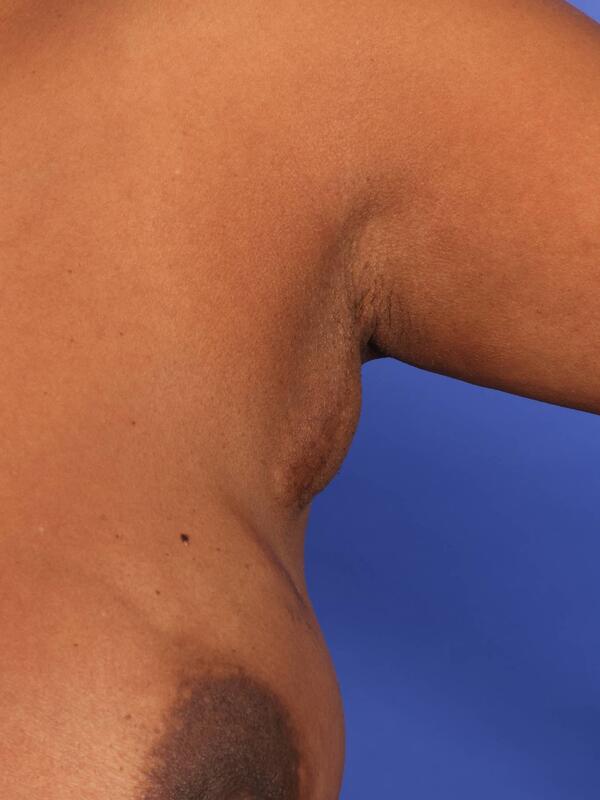
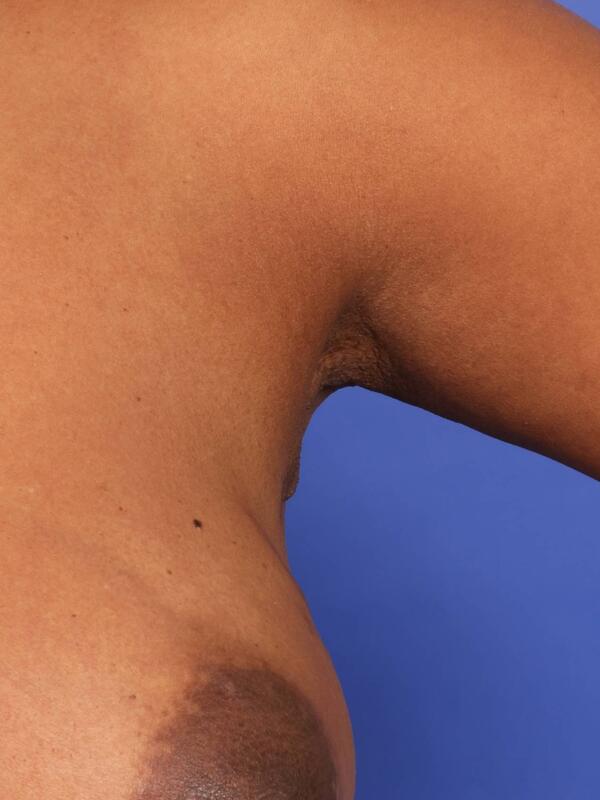
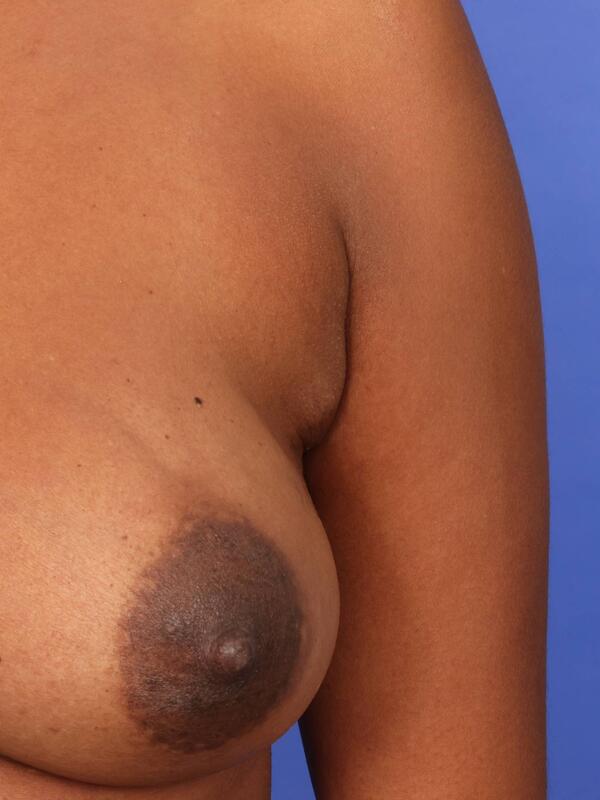
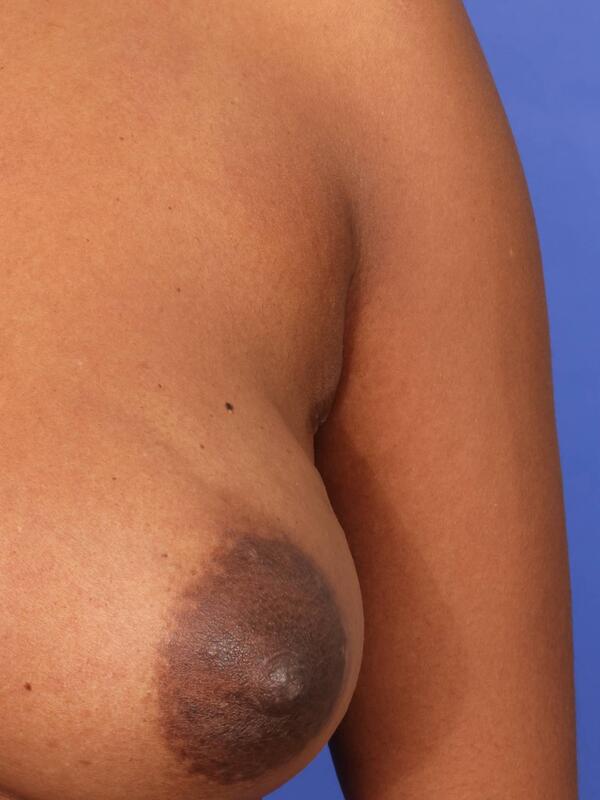
Liposuctionin Montclair
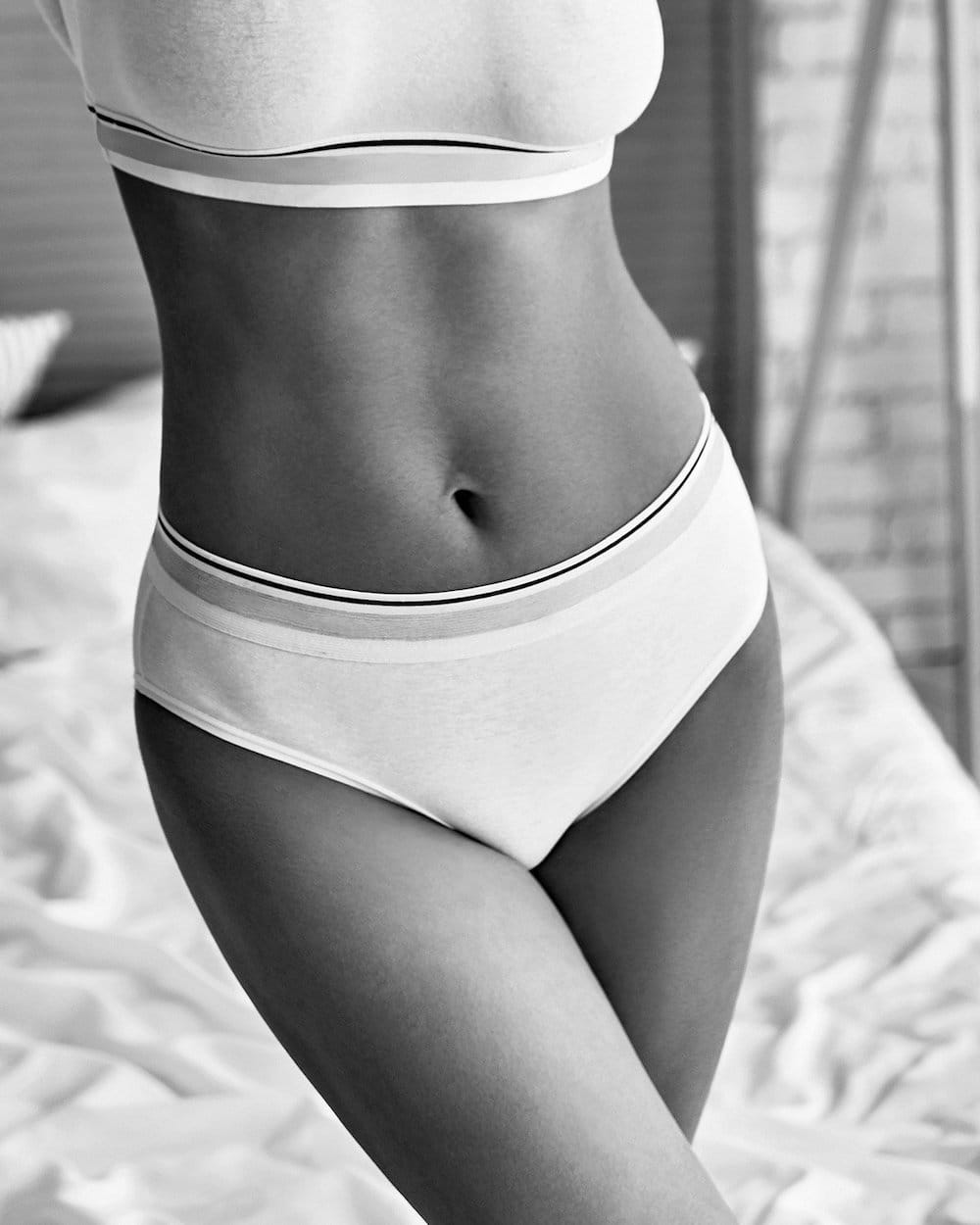

Few things make us more self-conscious than unwanted fat. Even if you are happy with your overall physique, you likely have one or two areas that just don’t respond in spite of the exercises you do and the diet you choose.
The good news is that you are not stuck with excess fat. The even better news is that you have extensive body contouring options to get rid of it, including multiple advances in the field of liposuction. The technology and techniques used in liposuction continue to grow by leaps and bounds. Dr. DiBernardo and the team at New Jersey Plastic Surgery are on the leading edge of these developments, embracing proven surgical and non-surgical methods. We strive to deliver the best liposuction New Jersey has to offer.
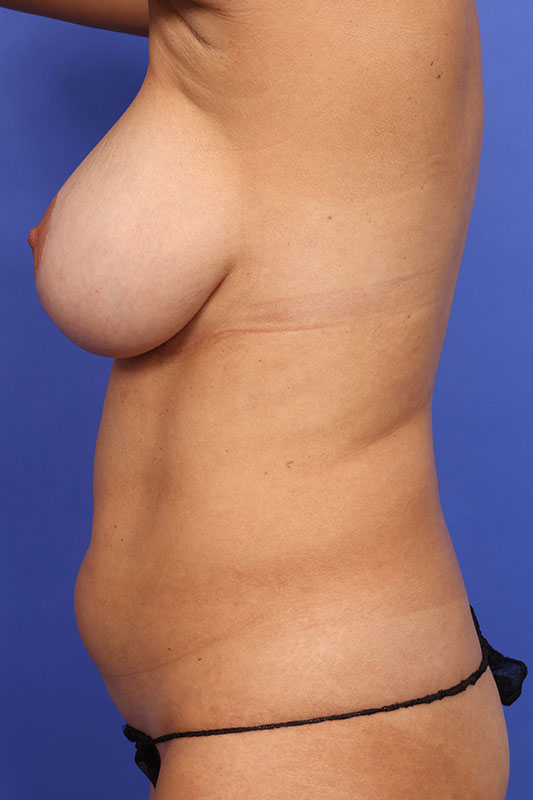
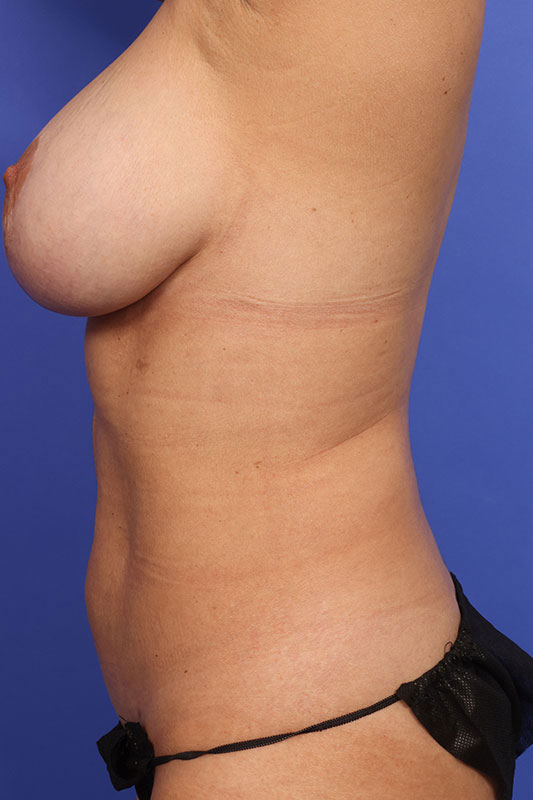
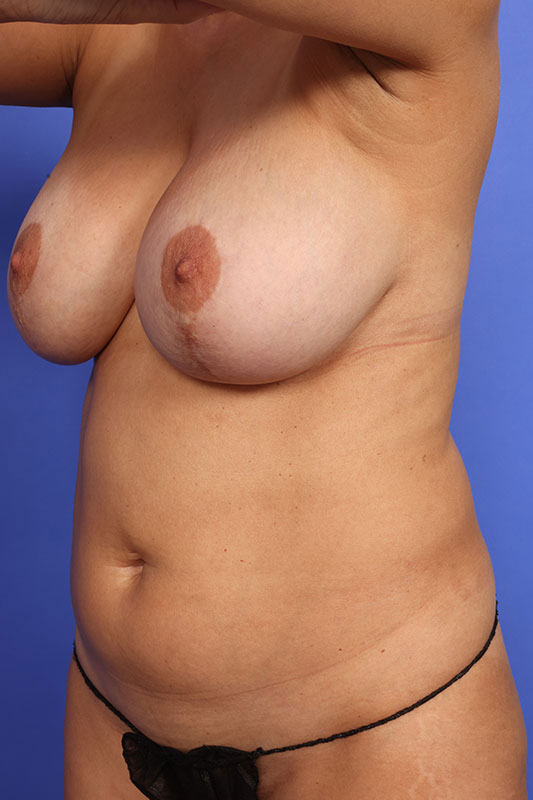
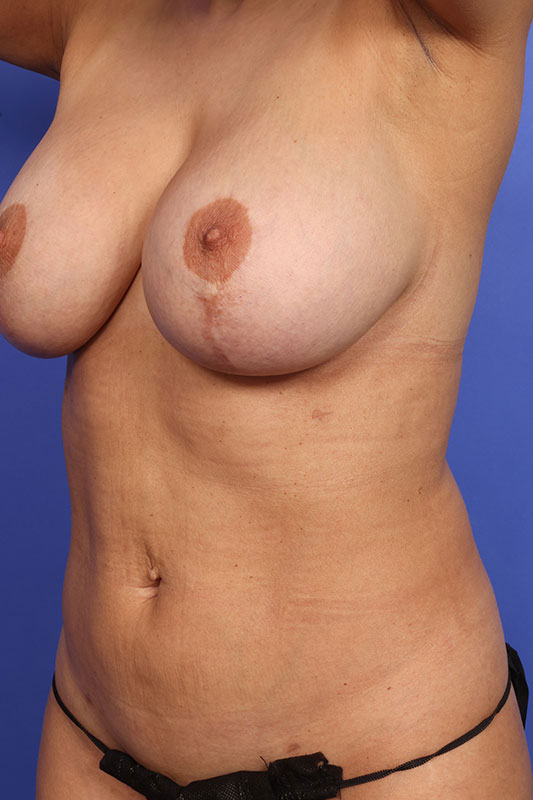
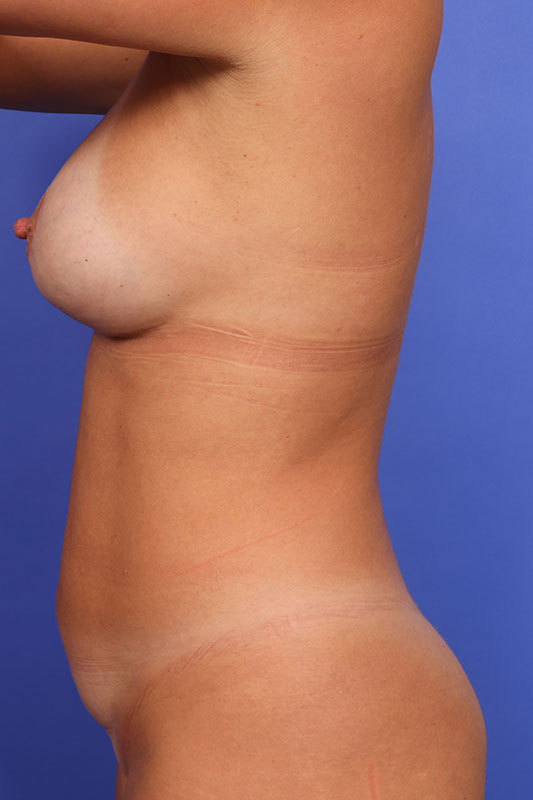
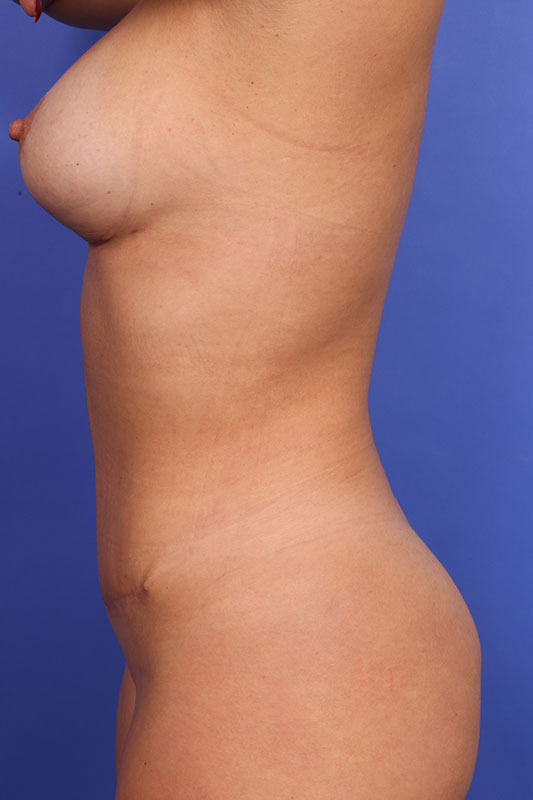
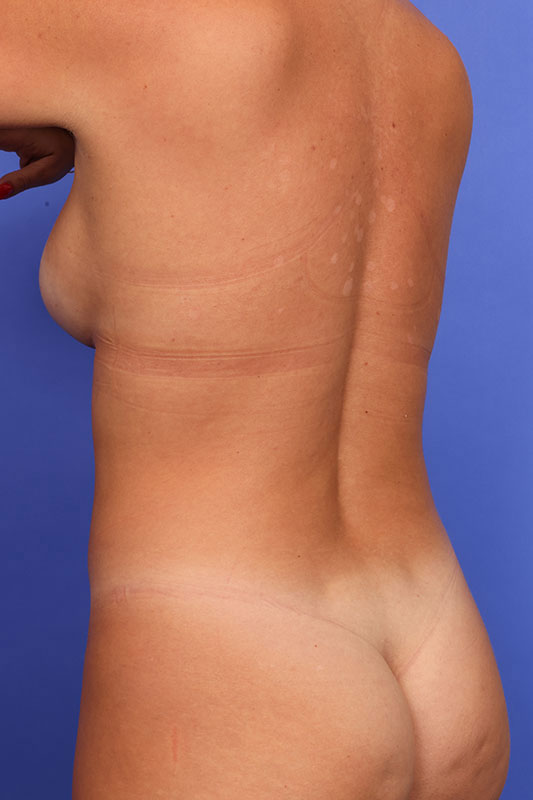
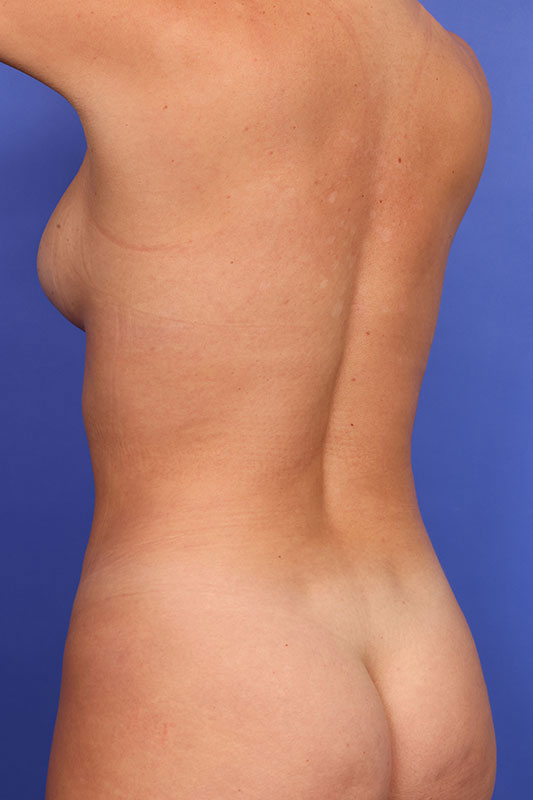
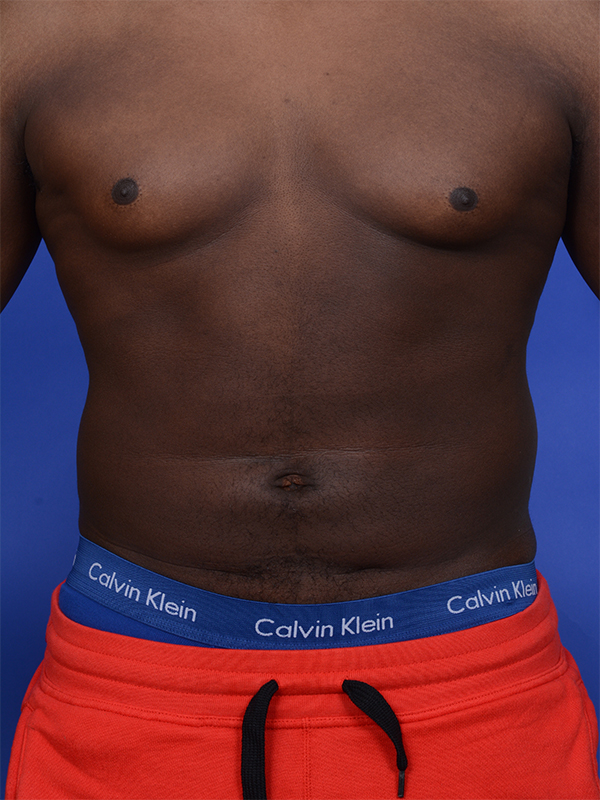
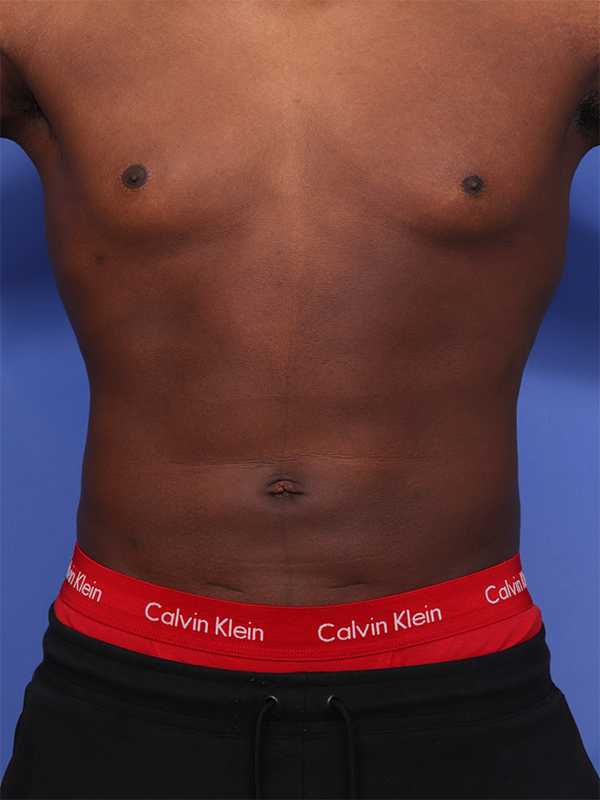
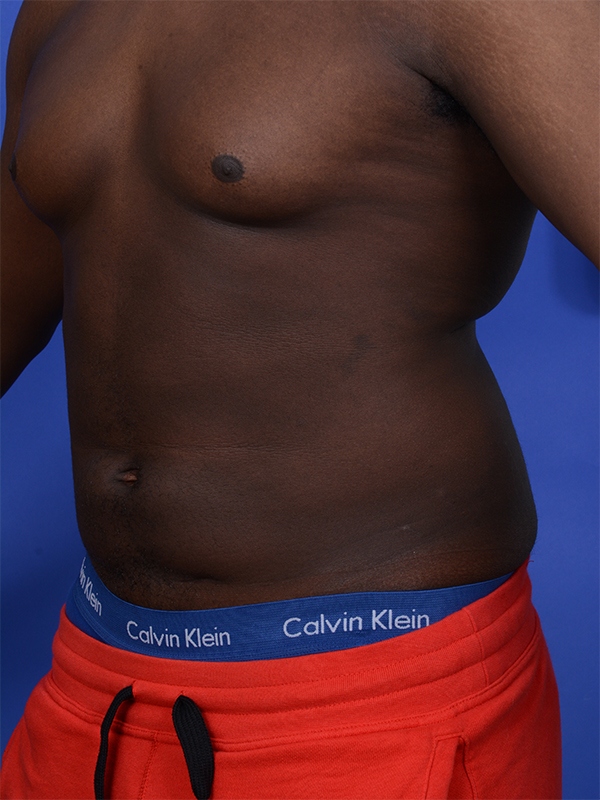
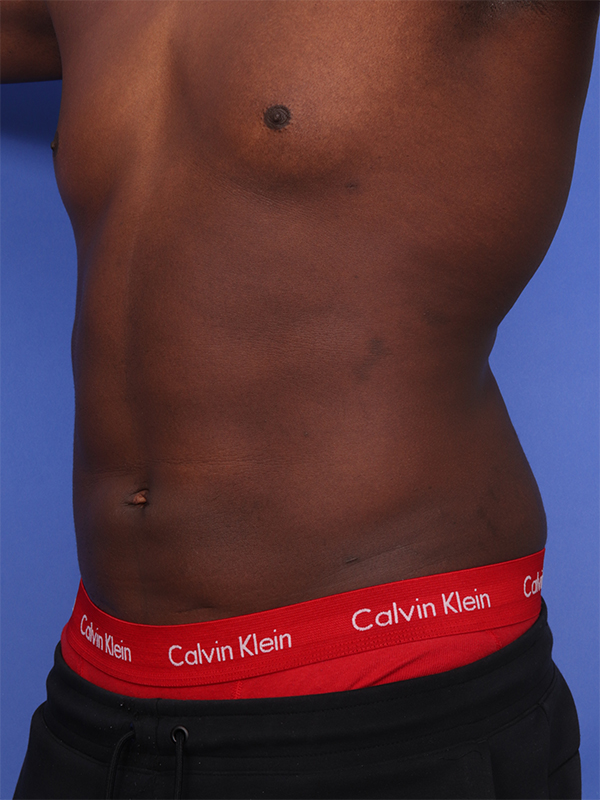
Also known as lipoplasty, surgical liposuction is performed via incisions in trouble spots of excess fat. A surgical cannula breaks up the fat, which is then suctioned out of the body.
Our plastic surgeons offer liposuction using a multitude of techniques. Although the exact steps involved in the procedure may change, we always make it a priority to provide superior service and individualized treatment to help our New Jersey liposuction patients achieve the best results.
 Swipe To Next
Is Liposuction Right for Me?
Liposuction is a targeted procedure during which our plastic surgeons remove localized excess fat. You should be close to your ideal weight before getting lipo; this is a body sculpting procedure, not weight loss surgery
As with most surgical procedures, you need to be healthy before undergoing liposuction. That means no active illnesses or infection, and any chronic conditions are under control. In addition, you should be a non-smoker, or at least be able to quit smoking at a time determined by the doctor. If you meet these criteria, you may be able to get liposuction on areas such as:
New Jersey Plastic Surgery offers many different liposuction options. These different choices make it possible for women and men to achieve a toned appearance on their preferred terms.
The most commonly performed liposuction technique today is actually an improvement on traditional lipo. Before performing tumescent liposuction, our plastic surgeons will inject local anesthetic and epinephrine to firm up the fat in the treatment areas.
This technique has several benefits:
Tumescent liposuction has become something of a “gold standard” in the realm of surgical fat reduction, but it is not the only option available at New Jersey Plastic Surgery.
“PAL” stands for “power-assisted liposuction.” During the procedure, our plastic surgeons use a vibrating cannula to penetrate the fat and break it up for easier suction.
Generally, PAL liposuction removes more fat while requiring less invasive treatment. The risk of complications is lower as a result, and recovery time may be reduced as well because less tissue is impacted during the procedure.
During ultrasound-assisted liposuction, targeted ultrasonic energy is used to break apart the fat beneath the skin. Similar to PAL lipo discussed above, the disruption to the fat cells makes them easier to remove.
Ultrasound waves can be used to target significant deposits of fat, potentially making UAL liposuction suitable for patients with larger areas that need attention. However, for best results, a tummy tuck or other body procedure may be necessary in addition to ultrasonic lipo.
One of the major issues patients face even after liposuction is sagging skin.
Loose, excess skin may happen as a result of naturally aging or following major life events like pregnancy. Skin laxity can also be an unfortunate byproduct of significant weight loss. If loose skin is negatively impacting the new physique you’ve worked so hard to obtain, body sculpting may be able to help you finally enjoy the physical, aesthetic, and emotional benefits of your weight loss. Patients who have completed significant weight loss through healthy living and/or surgery may need more comprehensive treatment in the form of a body lift.
If, however, you are just looking to remove a bit more fat and enhance your skin in select areas, you may see results from SmartLipo. SmartLipo is a laser-assisted lipolysis, or “laser liposuction,” procedure. Instead of the vibrating cannula or ultrasound waves, a fiber laser is used to soften and liquefy fat in the treatment area. As with the other lipo options discussed so far, this makes the fat easier to remove. The laser device employed in SmartLipo offers extremely precise targeting of areas with unwanted fat. As a result, our plastic surgeons may recommend it if you want to address fat deposits in delicate areas such as:
In addition to its fat removal benefits, the laser used during SmartLipo also jumpstarts the remodeling of skin in the immediate treatment area. The result is not only a slimmer figure, but skin that looks tightened, taut, and younger, too. SmartLipo is a minimally invasive procedure. It requires only small incisions, meaning less scarring and limited downtime. The results, however, should be permanent for patients who maintain an active, healthy lifestyle!

At New Jersey Plastic Surgery, we are pleased to offer the next level of ultrasound-assisted liposuction with VASERLipo. VASER stands for vibration amplification of sound energy at resonance. During the procedure, ultrasonic waves are targeted to the fat and only the fat; nearby tissue is spared, resulting in optimal fat removal and superior options for our plastic surgeons to contour the treatment area.
VASERLipo is a safe, effective alternative to more traditional liposuction techniques. Results are predictable, and downtime is kept to a minimum.
Yet another leap forward in ultrasonic liposuction, VASER 4D Lipo combines the effective fat reduction of VASERLipo with fat grafting. If you have excess fat in one area but you are disappointed by lack of volume in another, VASER 4D may be right for you.
Once the fat is removed via ultrasonic liposuction, Dr. DiBernardo can transfer the fat to areas such as the buttocks (Brazilian butt lift) or the breasts (breast augmentation with fat grafting). By using your own fat instead of an artificial material, the risk of complications is reduced. Furthermore, enhancement has a natural look and feel due to Dr. DiBernardo’s skills as a sculptor.
Discover the transformative potential of New Jersey Plastic Surgery's hand rejuvenation procedure artfully repurposing fat cells to restore youthful vitality to your hands. Embrace the opportunity to revitalize your appearance, as our skilled team utilizes state-of-the-art techniques to harness your body's inherent beauty, granting your hands a renewed and ageless charm.
Dr. Barry DiBernardo is a board-certified plastic surgeon with almost three decades of experience performing liposuction and other body contouring procedures.
However, beyond this, he is also a key opinion leader within the cosmetic surgery realm. Manufacturers and vendors frequently contact Dr. DiBernardo for evaluations of their plastic surgery technology and products. These include devices associated with body sculpting such as radio frequency devices, lasers, and much more.
Our surgical center is accredited by the American Association for Accreditation of Ambulatory Surgery Facilities. This accreditation signals our superior commitment to patient safety and quality care. Our plastic surgeons are able to perform many of the liposuction procedures in this facility – located inside our comfortable, well-appointed office in Montclair, New Jersey. Given the variety of options available, no lipo procedure should be considered one-size-fits-all. It is important that your plastic surgeon work with you to identify the areas that will respond to liposuction, the best technique for removing the fat, and any complementary procedures that can help you achieve your desired results.
Dr. DiBernardo combines an artistic eye with a thorough, peerless knowledge of body contouring solutions to customize your treatment. Our entire team is dedicated to helping you have the best experience, providing world-class service at your initial consultation, the day of your procedure, and during your postoperative care and followup visits.
Liposuction Consultation Today


Liposuction remains a versatile solution for sculpting your body and face.
Depending on your goals, a combination of surgical and non-surgical body contouring treatments can help you achieve long-lasting improvements for your figure, as well as your self-confidence. When you are a patient of New Jersey Plastic Surgery, you can count on individualized treatment. Our plastic surgeons and staff are dedicated to this philosophy, and we look forward to discussing which kind of liposuction is right for you, including state-of-the-art options like SmartLipo, VASER®Lipo, VASER® 4D Lipo, and more.
Please call (973) 834-6910 for you initial consultation with Dr. DiBernardo and his team. New Jersey Plastic Surgery serves patients in nearby Montclair, Clifton, and Newark, as well as visitors around the country and throughout the world.
New Jersey Plastic Surgery 29 Park St, Montclair, NJ 07042
Our New Jersey Plastic Surgery cosmetic specialists are ready to help you achieve your aesthetic goals with the most advanced treatments the cosmetic industry has to offer. Contact us today to take your first step toward a more beautiful you.